


We are proud to have earned the trust and recognition of many reputable organizations and platforms. Here are some of them.
We have been trusted by over a million customers based on our years of provided Industry-best service.

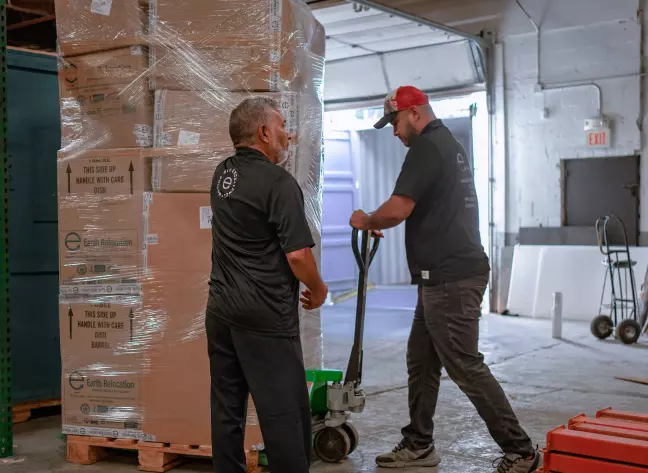
Moving to Japan from US is an exciting opportunity, but the process of packing, shipping, and customs clearance can feel overwhelming without the right support. At Earthrelo, we make international relocation simple and stress-free. From professional packing and freight options to customs guidance and final delivery, our experts ensure your move to Tokyo, Osaka, Kyoto, or Yokohama is smooth, reliable, and tailored to your needs.
This guide aims to provide a comprehensive overview of what one needs to know before moving to Japan. It covers vital topics such as visa requirements, housing options, cultural differences, language barriers, and logistics. By preparing and researching appropriately, one can make their relocation to japan a successful and rewarding experience.
Moving to Japan from the US is an exciting and transformative experience, but it also comes with its own set of challenges. Trust Earthrelo to guide you through every step of your moving to Japan, ensuring a hassle-free journey to your new home.
Relocating to Japan from US is an exciting opportunity for individuals and families seeking a blend of advanced modern living, cultural richness, and long-term stability. Japan is widely recognized for its high quality of life, excellent infrastructure, and unique balance between tradition and innovation. From the fast-paced energy of Tokyo and Osaka to the historic atmosphere of Kyoto and the waterfront lifestyle of Yokohama, every city offers distinct advantages for expats relocating from the United States.
One of the biggest reasons people consider moving to Japan from US is the country’s reputation for safety, efficiency, and cleanliness. Public transportation systems are highly reliable, healthcare services are modern and affordable, and education standards are internationally respected. Families appreciate the secure environment and organized lifestyle, while professionals benefit from career opportunities in industries such as technology, engineering, finance, manufacturing, and education.
Japan also attracts entrepreneurs, digital professionals, and students due to its advanced economy and global business presence. Cities like Tokyo and Osaka continue to grow as international business hubs, offering opportunities for career advancement and international networking.
Beyond career opportunities, expat life in Japan is shaped by rich traditions, world-famous cuisine, seasonal festivals, and a strong sense of community. Whether enjoying cherry blossom season, exploring local markets, or experiencing traditional culture alongside cutting-edge innovation, daily life in Japan offers a unique and rewarding experience.
For retirees and families, Japan provides dependable public services, clean cities, efficient transportation, and excellent healthcare access. The country’s organized systems and stable environment make settling in more comfortable for long-term residents.
Whether your goal is professional growth, cultural exploration, education, or a better quality of life, moving to Japan from US opens the door to new opportunities and experiences. With Earthrelo managing your international relocation, you can focus on adapting to your new life while we handle the logistics, shipping, customs coordination, and delivery process from start to finish.
When moving to Japan from US, one of the most important parts of the relocation process is arranging the safe and efficient transport of your household goods. Most international relocations are handled through sea freight, which generally takes between 6 to 8 weeks depending on your US departure city, shipping schedules, and destination port in Japan. For smaller shipments or urgent deliveries, air freight is also available and usually arrives within 1 to 2 weeks, although it comes at a significantly higher cost.
Earthrelo provides flexible international shipping solutions designed to fit different household sizes, budgets, and relocation timelines.
It is also important to understand Japan customs regulations for moving. Used household goods and personal belongings may qualify for duty-free import if residency and eligibility requirements are met. However, certain items such as firearms, hazardous materials, restricted electronics, illegal substances, and prohibited products cannot be imported into Japan.
Accurate documentation and a complete inventory list are essential to avoid customs delays or inspections. Japanese customs authorities may review shipment contents carefully, so proper preparation helps ensure smoother clearance and delivery.
Earthrelo assists with export packing, freight booking, inventory preparation, customs documentation, and destination coordination throughout the relocation process. Our experienced team works closely with you to simplify international shipping and minimize delays.
With Earthrelo, shipping household goods to Japan becomes a professionally managed and stress-free experience. From pickup in the United States to final delivery in Tokyo, Osaka, Kyoto, Yokohama, or other destinations across Japan, we ensure your belongings arrive safely, securely, and on schedule.
The cost of moving to Japan from US depends on several important factors, including the size of your shipment, your origin and destination cities, and the shipping method you choose. On average, most international relocations range between $3,500 and $12,000+. Sea freight is generally the most economical option for household moves, while air freight offers much faster delivery at a premium cost.
Additional factors such as seasonal demand, customs inspections, shipment accessibility, and delivery timelines may also influence pricing. Planning your move early and selecting the right shipping method can help reduce overall costs and improve scheduling flexibility.
At Earthrelo, we provide transparent and customized international moving quotes tailored to your relocation needs. Our specialists carefully evaluate your shipment size, preferred schedule, and service requirements to create the most efficient and cost-effective plan for your move to Japan.
When moving to Japan from US, preparing the correct paperwork is essential for smooth customs clearance and a successful international relocation. Missing or inaccurate documentation can lead to delays, inspections, additional charges, or shipment complications, so it is important to organize everything before your household goods leave the United States.
Japan maintains strict customs regulations, and some products are prohibited or restricted from import. Items such as firearms, hazardous materials, illegal substances, counterfeit goods, and certain electronics may face restrictions or require special approval.
It is also important that all paperwork matches the contents of your shipment exactly. Japanese customs authorities may inspect cargo during clearance, and discrepancies between inventory lists and shipment contents can result in delays or penalties.
Earthrelo provides professional guidance throughout the documentation process when moving to Japan from US. Our relocation specialists help organize paperwork, prepare shipping documentation, review inventory details, and coordinate customs compliance to ensure a smoother relocation experience.
From export preparation in the United States to final delivery in Tokyo, Osaka, Kyoto, Yokohama, or other destinations across Japan, Earthrelo helps simplify every stage of your international move so you can focus on settling into your new home with confidence.
Careful planning is one of the most important parts of a successful international relocation. Following a structured moving to Japan checklist helps you stay organized, reduce stress, and avoid last-minute complications during your move abroad. Here’s a practical step-by-step guide to help you prepare before, during, and after your relocation to Japan.
By following this moving to Japan checklist, you can simplify the relocation process and transition into your new life abroad with greater confidence. With Earthrelo managing logistics, shipping coordination, customs support, and final delivery, you can focus on enjoying your exciting new chapter in Japan.
When moving to Japan from US, choosing the right relocation partner can make the entire process smoother, more organized, and far less stressful. At Earthrelo, we specialize in comprehensive international moving solutions designed to simplify every stage of your relocation. From export packing and freight coordination to customs support and final delivery, our services are built to ensure your belongings arrive safely and on schedule.
Our experienced international moving team works closely with families, professionals, students, and businesses relocating to Japan, providing customized solutions based on shipment size, timeline, and destination requirements.
Here’s how Earthrelo supports your move to Japan:
At Earthrelo, we understand that international relocation involves much more than transportation alone. Our goal is to simplify the process, reduce stress, and provide dependable support at every stage of your move to Japan.
Various international organizations consistently rank Japan among the top countries in the world for healthcare, owing to its universal coverage, high quality, and emphasis on preventive care. The Japanese healthcare system offers affordable healthcare to every resident in the country, regardless of income or employment status.
Universal coverage is achieved through mandatory health insurance enrollment for all residents in Japan. Individuals can enroll in a health insurance plan through their employer or the national healthcare system if they are not employed. This guarantees that all citizens have access to affordable healthcare.
Compared to other developed nations, such as the United States, the cost of healthcare in Japan is relatively low. The government’s fee schedule and other cost-cutting measures help to control healthcare costs. In addition, the country strongly emphasizes preventive care, which aids in keeping healthcare costs low by preventing illnesses and reducing the need for expensive treatments.
The job market in Japan differs from that of the United States and has its unique characteristics. In contrast to the US, where individualism and competition are highly valued, collectivism and teamwork are highly valued in the Japanese job market.
Lifetime employment is a key feature of the Japanese job market and has been a part of Japanese corporate culture for many years. Graduates are hired straight out of college and are guaranteed job security and opportunities for career advancement within the same company for their entire working lives.
Moreover, education and credentials are highly valued in the Japanese job market. Obtaining a degree from a top university is highly regarded, and many companies require applicants to submit their transcripts and standardized test scores as part of the application process.
The bank’s profits are subject to corporate income tax in Japan, with a tax rate of around 30%, comparable to the federal corporate tax rate in the US. Additionally, financial institutions are required to pay a “financial function enhancement tax” of 0.036% on their taxable income to support the financial system, similar to the proposed bank tax in the US after the 2008 financial crisis.
Consumption tax, a value-added tax, is imposed on the sale of goods and services in Japan, with a standard rate of 10%. Banks must levy and collect this tax on their services, including interest and fees on loans and deposits.
Apart from national taxes, banks in Japan are also subject to local taxes, such as property and city planning taxes, which vary depending on the location of their offices and branches.
One key difference between the US and Japan is the tax treatment of interest income. In the US, interest income is typically subject to federal and state income tax, as well as other taxes like the alternative minimum tax. However, in Japan, most individuals, including foreigners, are not required to pay individual income tax on their interest income. This makes Japan an appealing destination for foreign investors searching for tax-efficient investment options.
Japan is known for its high-quality education and strict standards, with a strong emphasis placed on education. Its education system is considered one of the best in the world due to Japan’s long-standing respect for education, which is reflected in the organization and operation of its schools.
Compulsory education in Japan commences at the age of six and continues for nine years, comprising six years of elementary school and three years of junior high school. After completing compulsory education, students have the option of attending high school for three years, with the majority of Japanese students choosing to pursue higher education.
One of the most significant characteristics of the Japanese education system is its emphasis on discipline and hard work. Students are expected to be punctual, attend school regularly, and demonstrate respect for their instructors and classmates. Additionally, Japanese schools prioritize group harmony and teamwork, and students frequently work on group projects and activities together.
Sushi is a well-known Japanese dish that combines vinegared rice with raw fish, seafood, or vegetables. It had its roots in ancient Japan when people used to ferment fish and rice together to preserve them. Nowadays, sushi is enjoyed all around the world, and there are several types of sushi available, including traditional nigiri sushi and modern fusion rolls.
Ramen is another popular Japanese dish that is a noodle soup containing broth, noodles, and a range of toppings such as pork, eggs, and vegetables. Ramen originated in China but was adapted by the Japanese in the early 1900s. Nowadays, ramen is a staple of Japanese cuisine and is available in many different styles and flavors across the country.
Considering the cultural differences and general trends in Japan is crucial for anyone who wants to live in the country and experience its exciting and rewarding lifestyle. Japan is renowned for its innovative technology, efficient transportation, and strong emphasis on politeness and respect.
One of the major cultural differences that should be taken into account is the importance placed on group harmony. This means that Japanese society values cooperation and conformity, and individuals are expected to prioritize the needs of the group above their desires. As a result, there can be indirect communication and a reluctance to express personal opinions.
It is also important to be aware of the aging population when moving to Japan, which has caused a reduction in the workforce and has led to many industries focusing on automation and robotics. Additionally, the high cost of living in major cities such as Tokyo can be challenging for ex-pats.
Tokyo is a lively metropolis, and as the capital city of Japan, it is a hub for entertainment, fashion, and business. You can find something to do all day and night in this city that never sleeps. Tokyo has an excellent food scene that is well-known, offering everything from sushi and ramen to tempura at any time of the day or night.
Kyoto is a city located in the central part of Japan and is renowned for its rich history and culture. It’s famous for its stunning temples, traditional architecture, and beautiful gardens. The city’s streets still retain their traditional charm, making it feel like stepping back in time when you live in Kyoto.
Hokkaido, on the other hand, is the perfect place to experience a more relaxed pace of life. This northern island offers rugged natural scenery, including mountains, forests, and lakes, that provide plenty of opportunities for outdoor activities such as hiking, skiing, and fishing.
At Earthrelo, we understand that moving to Japan can be an exhilarating experience that can change your life. However, we also know that it can be a daunting task to move your belongings from one country to another. This is where we come in as a reliable and trustworthy moving company based in the United States of America that can assist you with your requirements with luggage and storage in JAPAN.
Our company specializes in international relocation and has extensive experience in moving goods and assets to Japan. We have the expertise to provide you with a stress-free and seamless relocation process. Additionally, we offer a variety of storage options that can cater to your specific needs, ensuring the safety and security of your belongings during transit.
The cost of moving to Japan from US varies depending on the size of your shipment, your origin and destination cities, and the shipping method you choose. On average, most relocations cost between $3,500 and $12,000. Sea freight is the most economical option for full households, while air freight provides faster transit but at a higher price. Earthrelo offers transparent, customized quotes tailored to your needs so you know exactly what to expect before your move begins.
When moving to Japan from US, transit times depend on whether you choose sea or air freight. Sea freight typically takes 6 to 8 weeks, depending on your departure port and customs processing in Japan. Air freight, while more costly, usually arrives within 1 to 2 weeks and is suitable for smaller or urgent shipments. Earthrelo manages both options and provides regular updates, ensuring you always know the status of your belongings during the move.
When moving to Japan from US, you’ll need to prepare key documents, including a valid passport, visa or residence permit, detailed packing list or inventory, and a Bill of Lading or Air Waybill. Customs declaration forms are also necessary to clear your shipment upon arrival. Depending on your situation, proof of employment or school enrollment may be required to qualify for duty-free import. Earthrelo helps organize and verify your paperwork, ensuring smooth customs clearance.
Yes, you can ship furniture and household items when moving to Japan from US, including beds, sofas, tables, and appliances. However, all goods must be clearly listed on your inventory for customs purposes, and some restricted items may require inspection. Earthrelo provides professional packing and crating services to protect your furniture during transit. We handle every step from pickup to delivery, ensuring your belongings arrive safely at your new home in Tokyo, Osaka, Kyoto, or Yokohama.
Sea freight is generally the most affordable choice when moving to Japan from US, especially for larger shipments. Full Container Load (FCL) provides faster transit with exclusive container use, while Less than Container Load (LCL) is more cost-effective for smaller moves. Air freight, though much faster, is significantly more expensive and typically reserved for urgent or high-value items. Earthrelo helps you compare options and choose the best method for your needs, budget, and timeline.
When moving to Japan from US, used household goods and personal effects can typically be imported duty-free if they are owned and used for at least six months prior to shipping. However, prohibited items include firearms, hazardous materials, and certain restricted electronics. A complete inventory is required for customs clearance. Earthrelo provides expert customs guidance, ensuring all forms and lists are accurate so your shipment complies with Japanese import laws and clears smoothly.
While not mandatory, shipment protection is highly recommended when moving to Japan from US. International moves involve multiple handling stages and long transit times, which carry risks of damage or loss. Earthrelo offers optional all-risk insurance policies based on the declared value of your goods, giving you peace of mind that your belongings are financially protected throughout the journey. With insurance in place, you can move with greater confidence and security.
Earthrelo specializes in international relocation and provides complete support for anyone moving to Japan from US. Our services include professional packing, container shipping (FCL/LCL), air freight, customs clearance assistance, secure storage, and final delivery to your new home. Each move is managed by a dedicated relocation coordinator who ensures everything runs smoothly from start to finish. By choosing Earthrelo, you gain a trusted partner committed to making your relocation stress-free and reliable.
We have been trusted by over a million customers based on our years of provided Industry-best service.
We are proud to have earned the trust and recognition of many reputable organizations and platforms. Here are some of them.