The cost of a long-distance move depends on your shipment and the services required. Two households moving between the same cities may receive different estimates because they have different inventories, packing needs, property access conditions, and delivery arrangements.
Common cost factors include:
- Distance and route: The distance between pickup and delivery locations and the transportation arrangements.
- Shipment size or weight: The amount of household goods being transported.
- Packing requirements: Whether you need packing materials, professional packing, unpacking, or specialty-item handling.
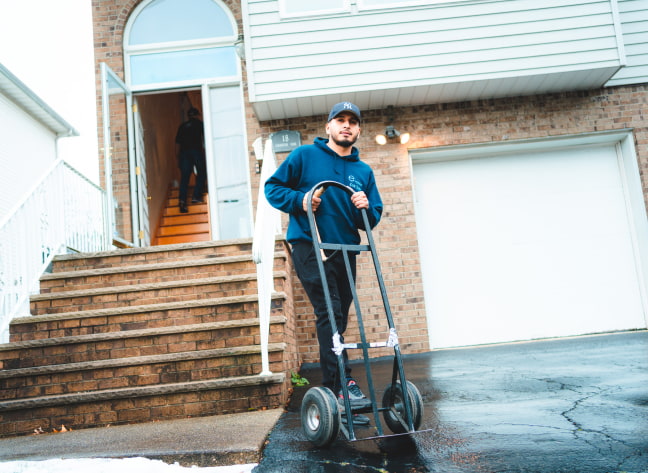
- Property access: Stairs, elevators, parking restrictions, long carries, or the need for a smaller delivery vehicle.
- Storage and delivery needs: Temporary storage, adjusted delivery arrangements, or additional services.
- Valuation coverage: The liability protection option selected for your belongings.
Binding vs. Non-Binding Moving Estimates
For an interstate household move, it is important to understand the type of written estimate provided.
A binding estimate generally establishes the price for the shipment and services described in the agreement. If you add belongings or request additional services, the estimate may need to be revised.
A non-binding estimate is an approximation. Final transportation charges may depend on the shipment’s actual weight and the services performed. Federal rules generally limit the amount collected at delivery under a non-binding estimate to 110% of the estimate, subject to specific exceptions for additional services and impracticable operations.
What Should Your Moving Quote Include?
Before accepting an estimate, review the household inventory, pickup and delivery arrangements, transportation charges, packing services, valuation coverage, and any additional charges that may apply.
Earthrelo can prepare a moving quote based on your route, household inventory, schedule, and requested services. Ask which charges are included and how changes to your move would be handled.